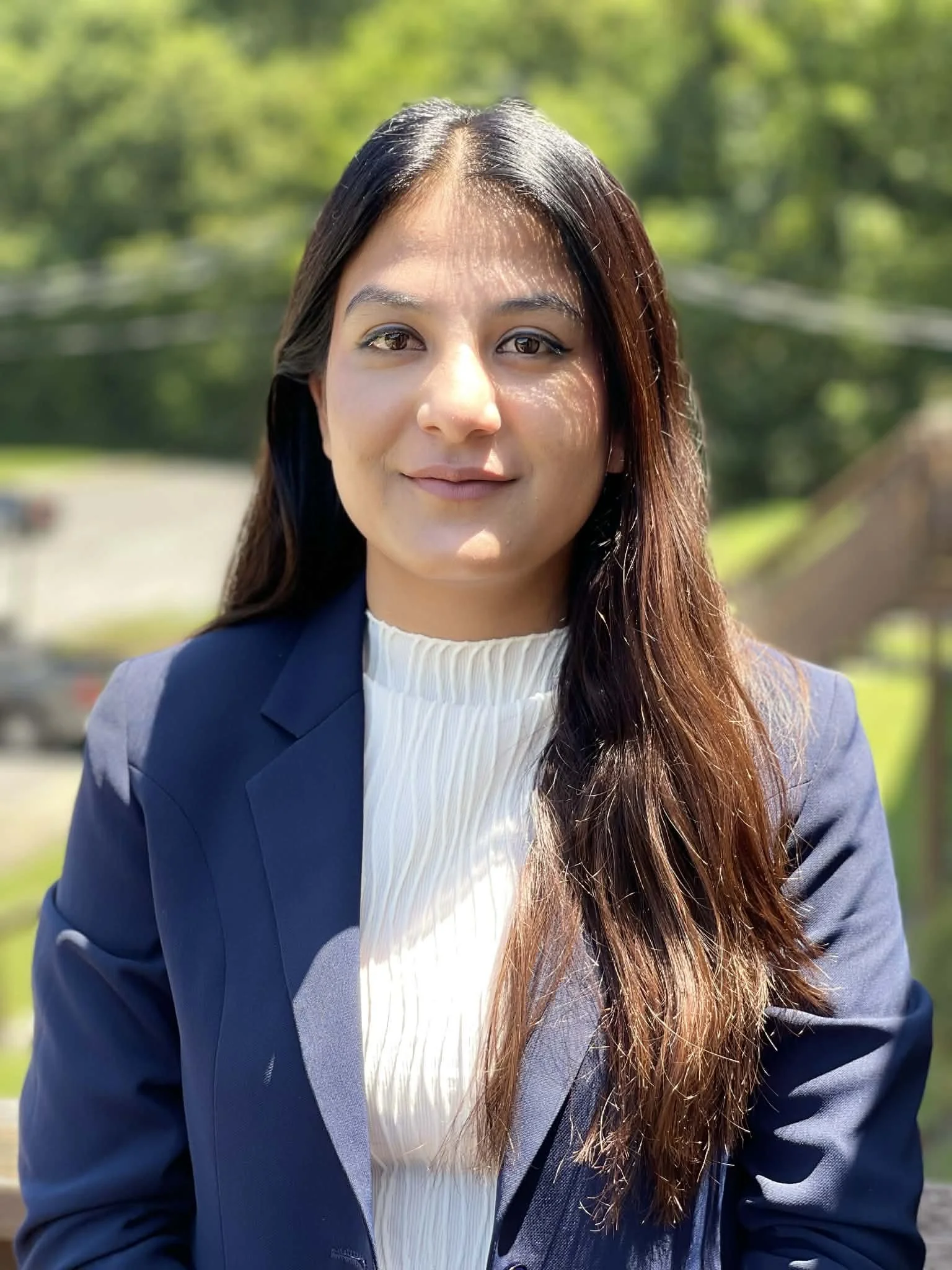
💼 Meet the Team
The Ahuja Suicide Prevention Lab at East Tennessee State University to strengthen connections, support, and recovery resources for people in the East Tennessee region with a special focus on mental health, suicide prevention, and opioid-use recovery.
We work hand-in-hand with community partners, healthcare providers, peer-recovery specialists, and other organizations to reduce barriers to care and increase access to services that promote wellness and belonging.
Our Team
Manik Ahuja
Dr. Manik Ahuja is an Assistant Professor in the Department of Health Services Management & Policy at East Tennessee State University. He completed a NIDA-funded postdoctoral fellowship in addictions research at Washington University in St. Louis and holds a PhD in Public Health from the University of Connecticut.
Dr. Ahuja’s research focuses on suicide prevention, substance use disorders, mental health disorders and addictive behaviors. He has authored numerous peer-reviewed publications and presented at leading national conferences, including APHA, RSA, and CPDD.
His work centers on understanding suicide prevention across sub-populations including rural populations, U.S. Military Veterans, and other marginalized groups. Dr. Ahuja is also dedicated to mentorship, community engagement, and preparing future public health leaders.
Cory L. Whitfield
Cory L. Whitfield, LMSW, is a Clinical Assistant Professor at East Tennessee State University and a Mental Health Therapist at Tri-Star Counseling, specializing in men’s mental health and addiction recovery. He teaches clinical MSW courses, mentors graduate students, and conducts research focused on behavioral health workforce development, suicide prevention, and community-based recovery initiatives in rural Appalachia.
A two-time ETSU graduate and current Doctor of Public Health candidate in Health Management and Policy, Cory was inducted into the university’s prestigious 1911 Society for exemplary leadership and service. He has received numerous honors, including NASW-TN Social Worker of the Year (2024) and Graduate Student of the Year. Nationally, he serves on the NASW-PACE Board of Trustees, and regionally he chairs the NASW-TN Northeast Branch.
Mountain Home Veterans Affairs
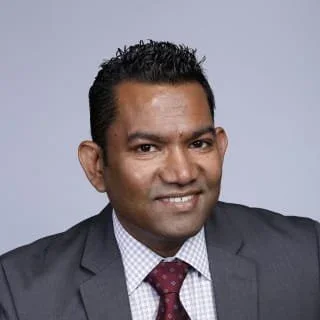
Praveen Fernandopulle
*Dr. Praveen Fernandopulle, a US Air Force veteran, has transitioned into a dedicated psychiatrist. Currently serving as a staff psychiatrist at the Mountain Home VA Medical Center, he focuses on supporting veterans within the substance use disorder program. His experiences alongside fellow veterans during his service in Iraq inspire his commitment to a career in veterans affairs. Dr. Fernandopulle is a passionate advocate for improved treatment and innovative strategies to assist veterans facing substance use disorders.
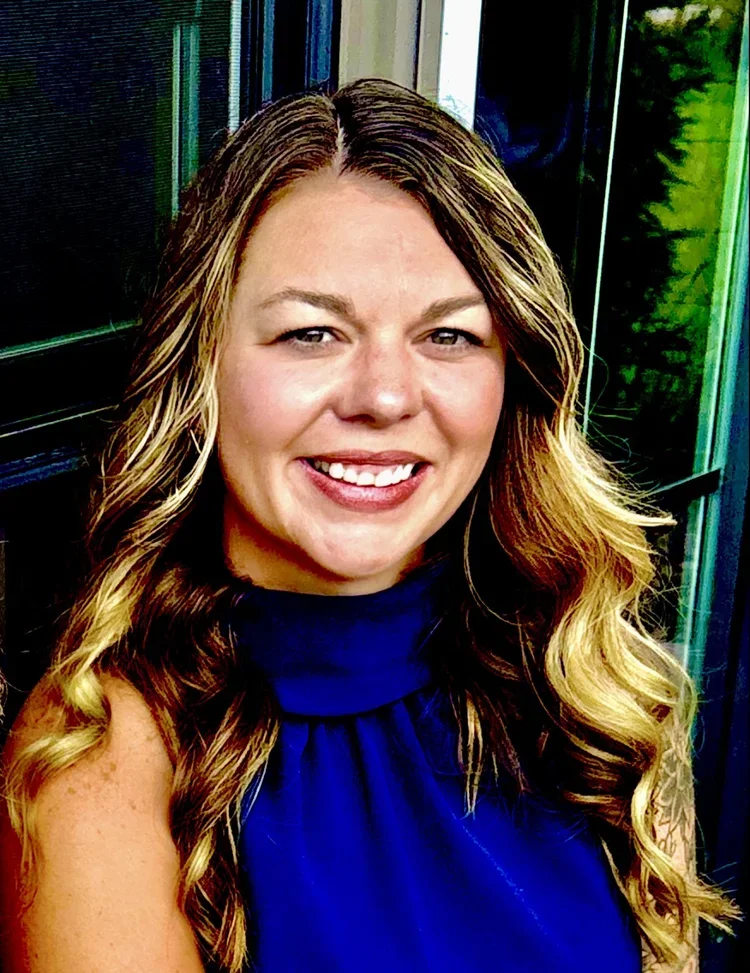
Arpana Karki
Arpana Karki earned her Master of Health Administration from East Tennessee State University. She is a passionate advocate for mental health, suicide prevention, and substance use awareness and is dedicated to improving access to care and fostering resilience among vulnerable populations. With a background in public health and behavioral health, Arpana has authored and co-authored research focused on early intervention, stigma reduction, and community-based prevention strategies. She has also presented her work at the Appalachian Student Research Forum (ASRF), highlighting her commitment to advancing mental health research and prevention initiatives.
Currently, she is contributing to Project VICTOR, a program supporting efforts to improve care and social connectedness for veterans impacted by opioid use disorder. In this role, she assists with participant recruitment and literature review to support evidence-based program development.
Cessalie Severson- Turner
Cessalie Severson-Turner is a Master of Health Administration candidate at East Tennessee State University and a rural Appalachian native with more than a decade of experience leading Medication-Assisted Treatment programs in Northeast Tennessee. She is dedicated to expanding access to recovery services, reducing stigma, and improving care coordination for individuals affected by substance use disorder.
Her work includes behavioral health administration, quality improvement, and community-based approaches that address health disparities in rural communities. She currently supports Project VICTOR through participant engagement, program development, and efforts to strengthen social connectedness for veterans impacted by opioid use disorder.